Nerja Neighbourhood Guide
Nerja is a coastal town at the eastern end of Málaga province in the Axarquía, set below the Sierra de Almijara and close to the border with Granada province. Housing is mainly apartments and townhouses in the centre and along the coast, with villas in the urbanisations on the hillsides behind. Properties attract second-home owners, retirees and year-round residents, and the town supports a strong holiday rental market. The Balcón de Europa viewpoint sits at the heart of the old town, Burriana is the main beach and the Nerja caves lie just outside the town.
Nerja from the air, 1956 to 2022
The same 3.2 km across, photographed from the air 66 years apart. Drag the line to compare.
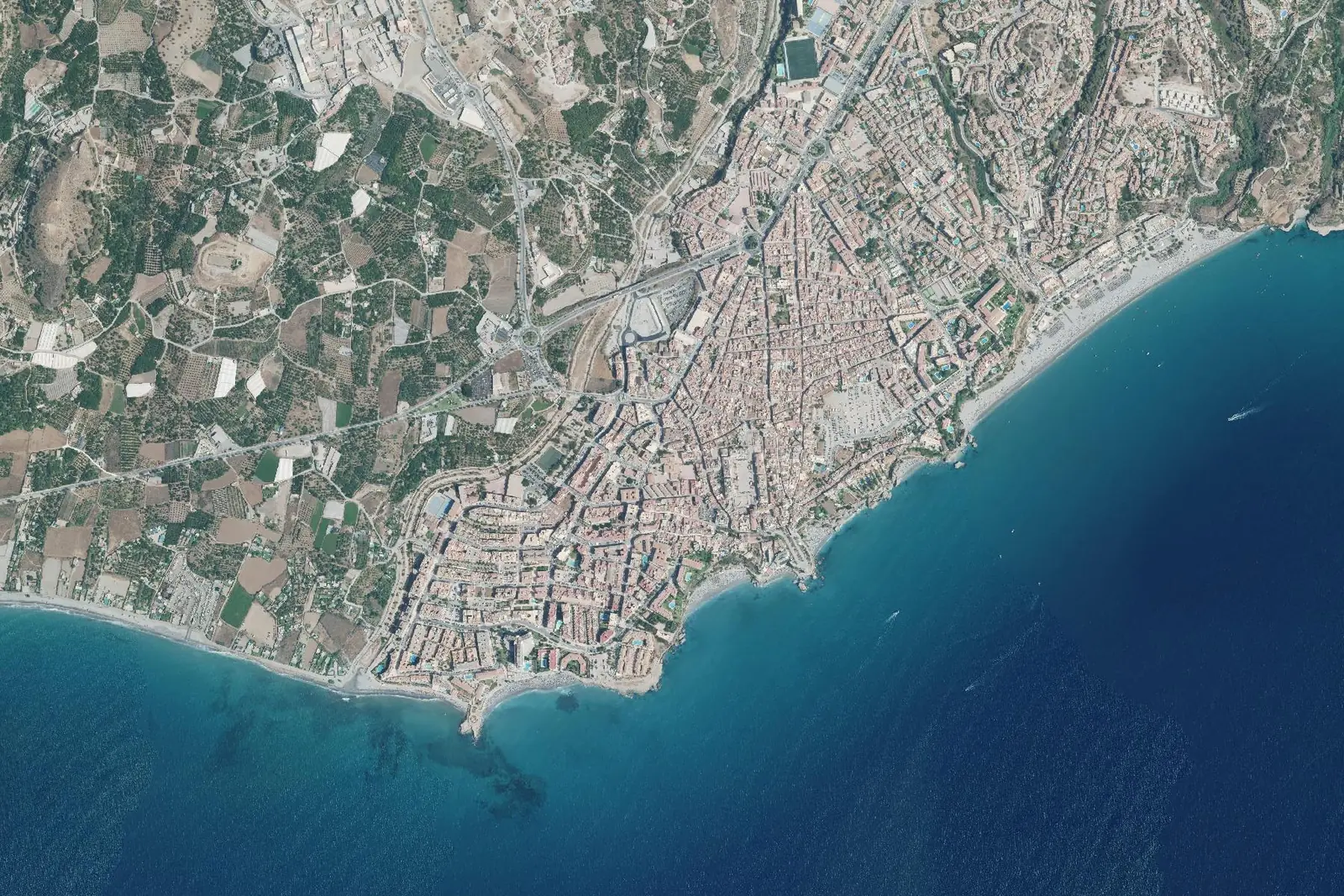
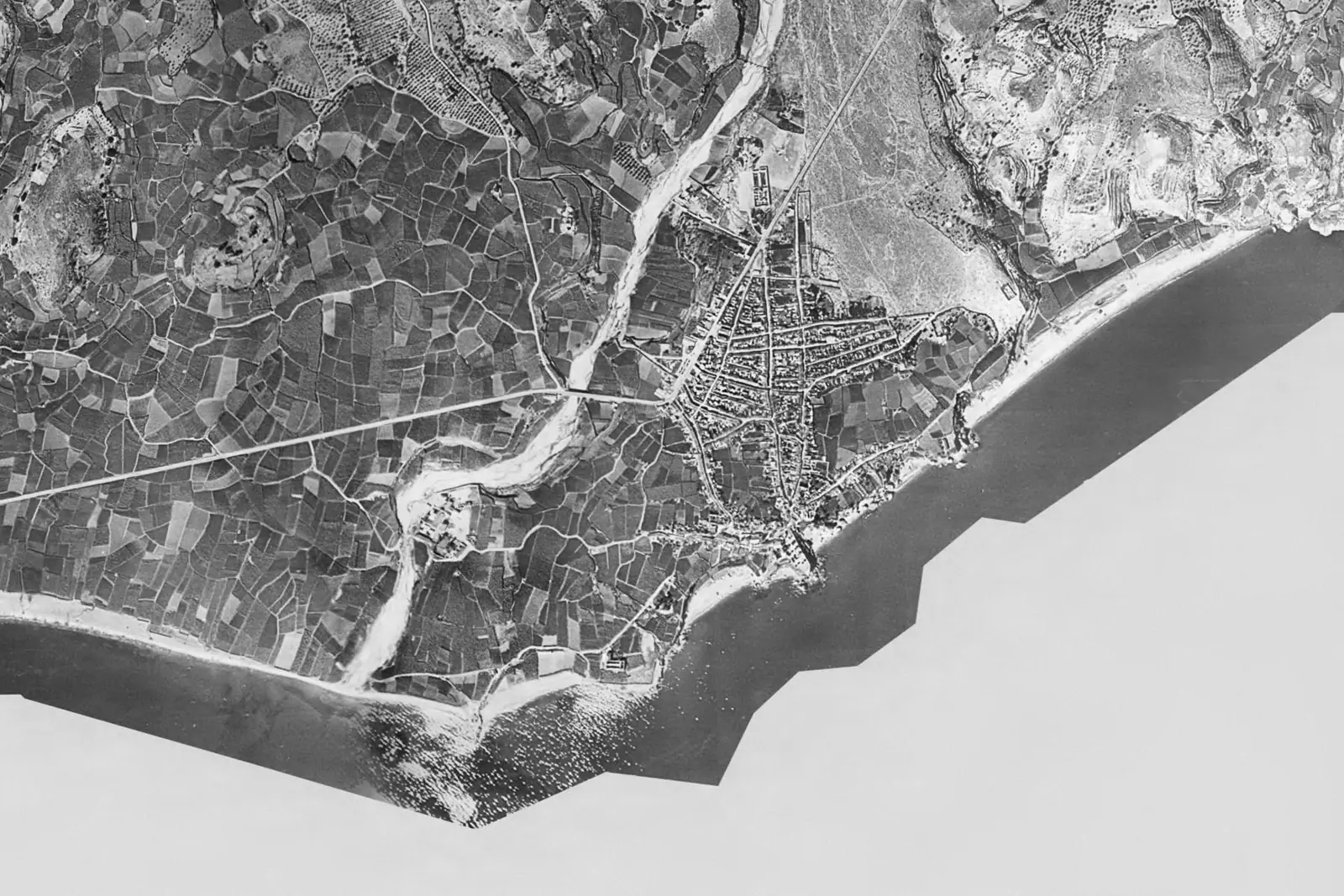 19562022
Aerial photos: Vuelo Americano Serie B 1956-1957 and PNOA 2022, CC-BY 4.0 ign.es (Instituto Geográfico Nacional).
The market right now
Nothing is listed for sale in Nerja right now. These are the homes to rent and for holidays.
Holiday homes
Live from the PropertyList MLS.
What Nerja is really like
Nerja is a coastal town at the eastern end of Malaga province in the Axarquia, located below the Sierra de Almijara and close to the border with Granada province. The old town centres on the Balcon de Europa viewpoint, which sits at the heart of the historic streets and functions as a public pedestrian focal point. Burriana is the main beach by local definition, with a mix of sand and built promenade facilities, while the Nerja caves lie just outside the town and receive steady visitor numbers. The settlement pattern places apartments and townhouses in the centre and along the coast, and villas in the urbanisations spread over the hillsides behind the town.
For buyers
The housing market draws second-home owners and retirees alongside year-round residents, so buyers will find a mixture of property types aimed at different uses. Apartments and townhouses in the centre and along the coast are commonly marketed for easy access to the Balcon de Europa and the main beach, and villas on the surrounding hillsides cater to purchasers seeking more space and views. Buyers should assess community fees and community documents, check orientation for winter sun, and verify parking provision for the property type under consideration.
Buyers interested in rental income should consult the live figures above and confirm any required licences before assuming a property can be let to holiday-makers. Local planning and community regulations influence what can be changed in a building and what income streams are allowable, so examination of deeds and licences is a necessary part of due diligence.
For long-term renters
Long-term rental stock tends to mirror ownership patterns, with central apartments and coastal townhouses offering proximity to shops and services, and hillside villas supplying more privacy. Tenants who need year-round amenities will find more options in the central area around the Balcon de Europa and along the seafront near the main beach, where pedestrian access reduces reliance on a car. Prospective renters should check what is included in a tenancy agreement, confirm who is responsible for community fees, and inspect parking arrangements linked to the property.
Renters considering a quieter location should note that properties in the urbanisations on the hillsides generally require a car for routine journeys, and that the local holiday season increases short-term visitor numbers in central parts of town. Contracts should be reviewed for clauses on subletting and on responsibility for maintenance in a building with multiple owners.
For holiday-makers
The old town and the area around the Balcon de Europa provide a compact walking area for short stays, with the main beach within easy reach of central accommodation. Holiday properties in the coastal strip tend to be apartments and townhouses that prioritise proximity to the seafront, while holiday lettings in the hillside urbanisations are typically promoted for guests seeking views and more space. Visitors should confirm what is included in a booking and check that the property has the licences required for holiday lettings before finalising a reservation.
Seasonal patterns make summers hot and busy in the centre and along the coast, which affects beach access and parking. Weekend and midweek visits present different patterns of activity, so a short pre-booking visit midweek and at a weekend will give a clearer picture of how the area functions for a holiday stay.
Getting around and practical
Access to Nerja from the west follows the A-7 or the AP-7 and to the east links towards Granada province, and through traffic commonly passes along the coastal axis. The town centre is organised around the Balcon de Europa and the seafront, which makes many central streets pedestrian friendly and reduces the need for a car for local errands. Urbanisations on the hillsides behind the town involve steeper roads and less frequent public transport, so residents there commonly rely on private vehicles for routine shopping and appointments.
Anyone considering a purchase or a longer stay should check parking availability for the specific property and verify community rules for vehicle access in gated estates. Practical checks include orientation for winter sun, the condition of communal areas in apartment blocks, and the status of any holiday rental licences attached to a property.
Frequently asked questions
What is the best time to visit Nerja?
Late spring to early autumn offers warm weather and full opening of tourist services, while the shoulder months provide milder temperatures and fewer visitors in central areas.
Are there good schools in Nerja?
Educational provision for residents is concentrated in the town, with local options suitable for family life in the central area and sensible commuting patterns from nearby urbanisations.
What outdoor activities are available in Nerja?
Outdoor activities include beach use at the main beach, walking and viewpoints around the Balcon de Europa and hiking in the nearby Sierra de Almijara, with cave visits available just outside the town.