Coín Neighbourhood Guide
Coín sits inland in the Guadalhorce valley, linked to Marbella by the mountain road over the pass and to Málaga across the valley. The historic centre is mainly terraced town houses, while the outskirts consist of country houses and villas with land; there is almost no resort-style apartment stock. Buyers and renters tend to be families and year-round residents, Spanish and northern European, seeking more land than the coast allows. The town provides a full set of everyday services including schools, a health centre and a weekly market, and the nearest beaches are a drive away over the hills.
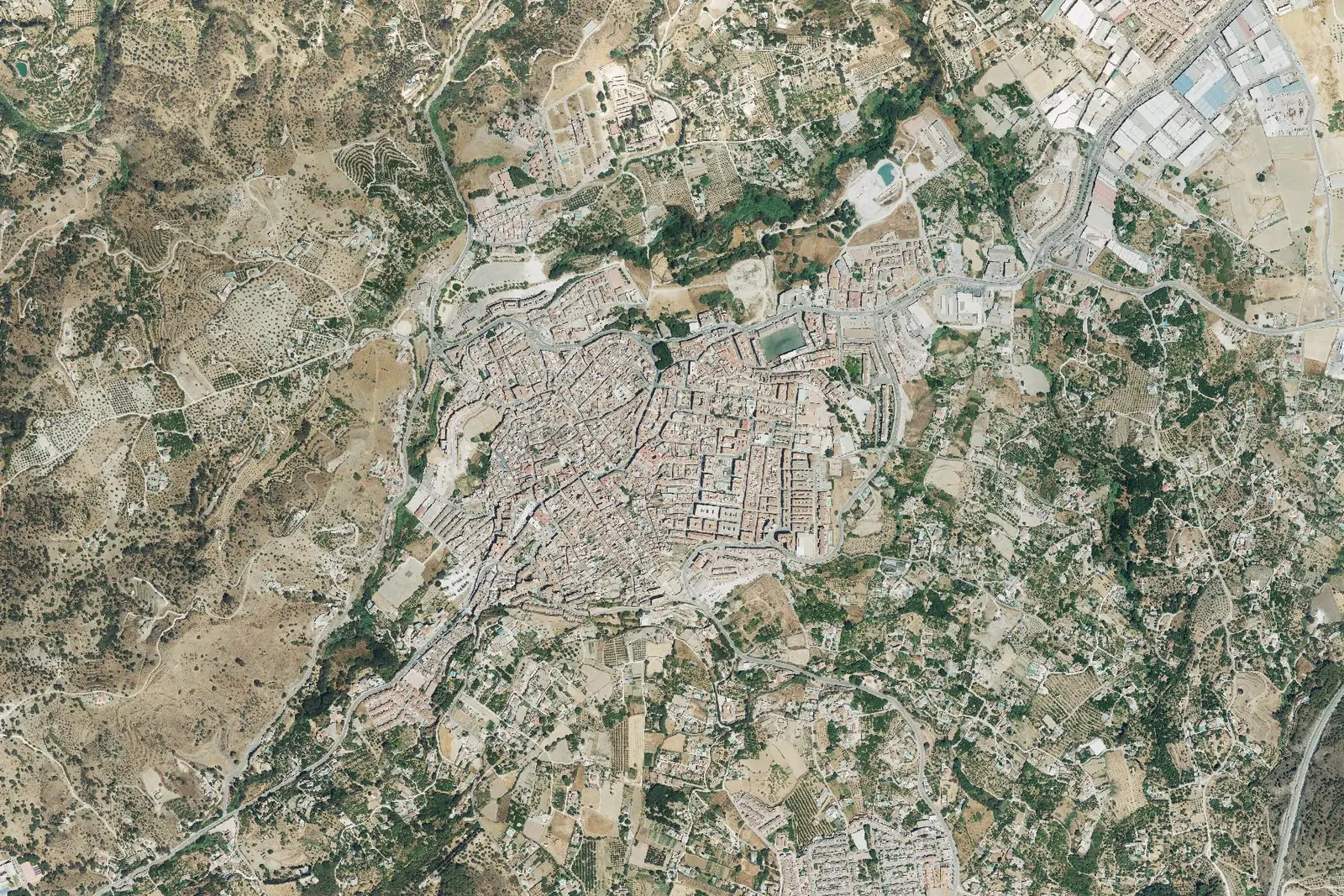
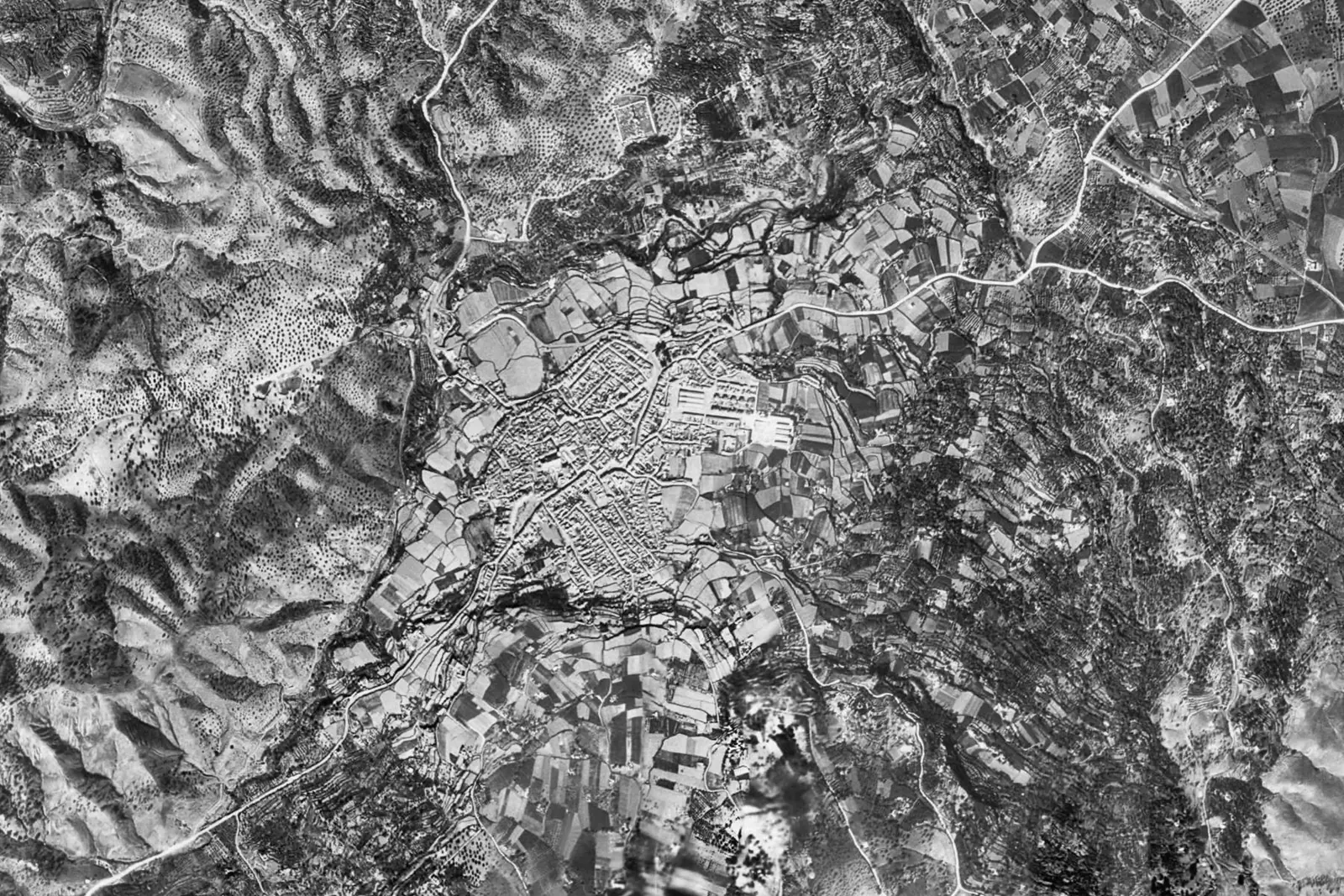
Coín from the air, 1956 to 2022
The same 3.2 km across, photographed from the air 66 years apart. Drag the line to compare.
 19562022
Aerial photos: Vuelo Americano Serie B 1956-1957 and PNOA 2022, CC-BY 4.0 ign.es (Instituto Geográfico Nacional).
The market right now
Live counts and prices across every way to live in Coín.
The "verified" €/m² is notary-verified by PropertyList Oracle. Consejo General del Notariado (Spanish notarial register), 320 transactions to 2026-09-03.
What is for sale
Homes for sale in Coín by bedrooms.
Featured homes for sale
Live from the PropertyList MLS.
Who Coín suits
Buyers
42 homes for sale, from €85k to €6.2M, median €420,000. Notary-verified value ≈ €1,707/m².
Long-term renters
No long-term rentals listed here yet.
Holiday-makers
No holiday lets listed here yet.
What Coín is really like
Coín is an inland town in the Guadalhorce valley with a clear geographic connection to the coastal belt. A mountain road crosses the pass to Marbella and a valley route leads directly to Malaga city. The historic centre is composed mainly of terraced town houses while the outskirts contain country houses and villas with land; there is almost no resort style apartment stock in or around the town. The population mix includes Spanish families alongside northern European residents who have chosen Coín for larger plots and a year round lifestyle away from the seafront.
The town has a practical, everyday provision of services that supports long term living rather than short stay tourism. There are schools, a health centre and a weekly market that local people use for shopping and errands. The nearest beaches require a drive over the hills rather than a walk, so most residents treat the coast as a day trip rather than an immediate neighbourhood amenity. Road connections mean commuting to the coast is straightforward but reliant on a car.
For buyers
Buyers will find property types concentrated into two clear categories: historic terraced houses in the centre and landed villas or country houses on the outskirts. This split affects running costs and planning considerations because rural plots often carry larger maintenance responsibilities and different utility connections compared with urban terraced homes. Buyers commonly look for extra outdoor space and agricultural or garden land that is not available on the nearby coastline, which changes valuation logic compared with coastal properties.
Practical checks are the same as in other parts of Spain but take particular care with documents for rural plots and older town houses. The live figures above provide current market context and should be read alongside title deeds and planning records. Consider a short checklist when viewing to avoid common issues:
- check the community fees and any communal documents for town houses
- verify orientation and winter sun for terraces and garden layouts
- inspect access and stated boundaries on country plots
- confirm utility connections and any agricultural classifications
For long-term renters
Long term rental availability reflects the resident profile, with more family sized houses and villas than rental apartments. Contracts tend to follow standard Spanish rental law and properties aimed at year round tenants are often let with white goods and basic fixtures in place. Renters should plan for a car to access workplaces, schools and the coast from Coín because public transport is limited for daily commuting compared with urban coastal areas.
Before signing a contract check what is included with the tenancy and the condition report for fittings and outdoor areas. Ask to see documented utility arrangements and any communal rules that apply to terraces or rural estates. It is sensible to visit a property both on a weekday and at the weekend to assess noise, market activity and local traffic patterns.
For holiday-makers
Coín is primarily a place for longer stays rather than the short stay beachfront holiday market. Visitors who prefer a rural base with room and privacy find villas and country houses suitable for extended breaks. Beach visits require a drive, which influences typical holiday planning and the choice of accommodation for groups that plan frequent seaside days.
Those considering a short holiday let should check licences before booking to confirm the property is authorised for holiday rentals under Spanish local rules. Also, confirm what is included in the rental price and who is responsible for pool, garden or heating maintenance if those features are offered. Viewing photographs critically and checking recent guest feedback are useful when the same property is used for both holiday letting and long term residence.
Getting around and practical
A car is the most practical way to get around Coín and to reach the coast, which lies over the surrounding hills. The mountain road over the pass links to Marbella and other coastal destinations while routes across the valley lead to Malaga city and the wider province. Parking in the historic centre is limited in places because the street pattern was designed before modern vehicle numbers, while properties on the outskirts typically include private space for vehicles.
Everyday services are present and used by residents rather than transient visitors. The weekly market supplies fresh produce and the health centre provides primary care for local people. For any property purchase or rental the usual practical checks apply in Spain: confirm community fees and documents, check permissive use and licences, and verify orientation for winter sun and for cooling in the hot summer months.
Frequently asked questions
What is the weather like in Coín?
Summers are hot and the valley location produces warm conditions with clear sunny days, while winters are milder than in inland highlands and can be cool at night; seasonal patterns mirror the wider southern Andalusian climate.
Are there good schools in Coín?
The town provides local schooling used by resident families, with options for primary education within the town and secondary provision accessed locally as part of normal municipal arrangements.
Is Coín a good place for families?
Coín suits families who want more outdoor space and a year round neighbourhood with everyday services, and it attracts people seeking plots and gardens rather than coastal apartment living.