Mallorca Neighbourhood Guide
Mallorca is the largest of the Balearic islands, with Palma and its bay on the south coast, the Serra de Tramuntana along the north west and flatter farmland through the middle. Housing ranges from apartments and townhouses in Palma and the coastal towns to rural fincas and villas inland and in the hills. Buyers and renters include many second-home owners from Germany, the United Kingdom and Scandinavia alongside a substantial year-round resident population. The island has a large airport just outside Palma with year-round flights, and holiday letting requires a tourist licence that is capped by area.
Mallorca from the air, 1956 to 2024
The same 3.2 km across, photographed from the air 68 years apart. Drag the line to compare.
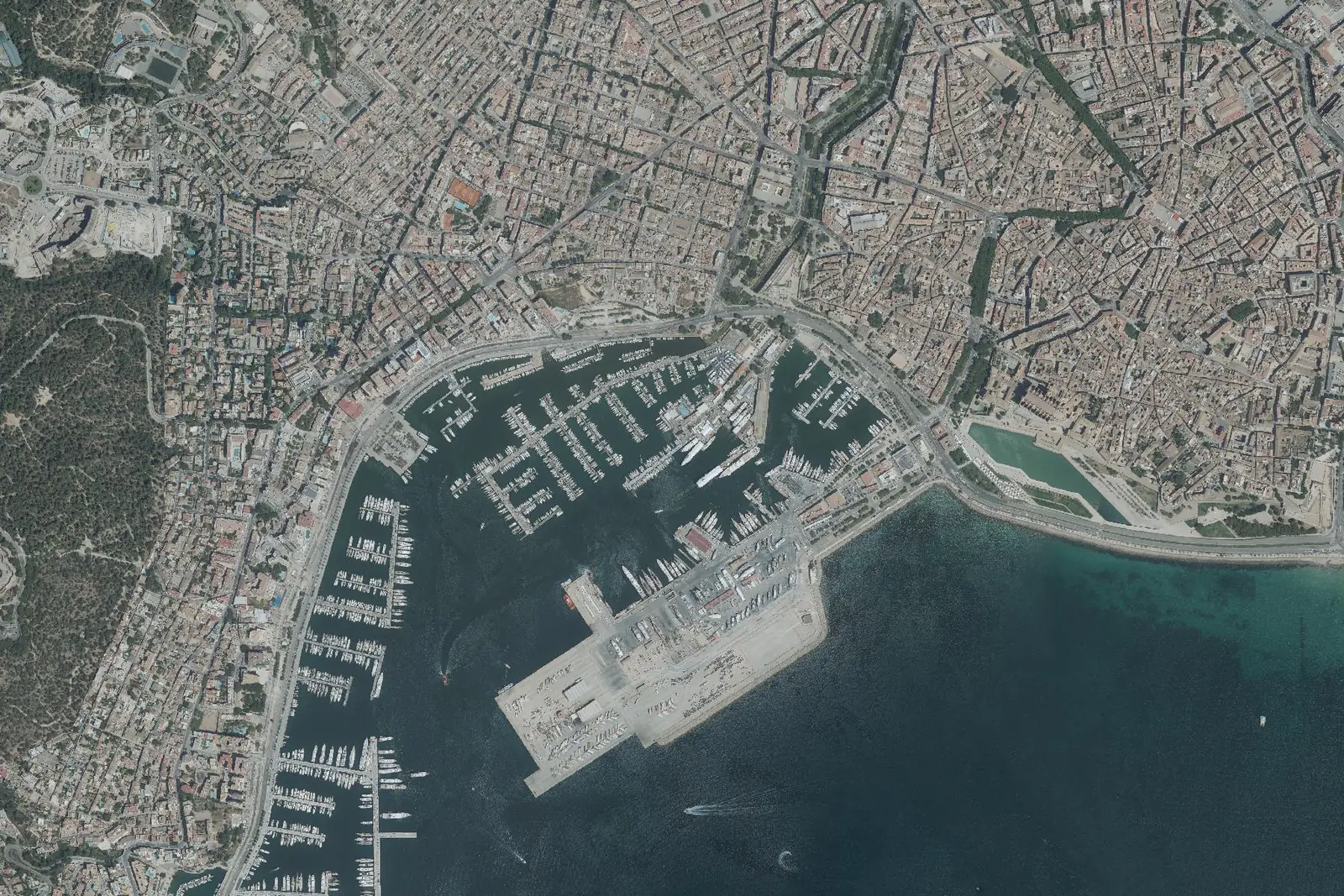
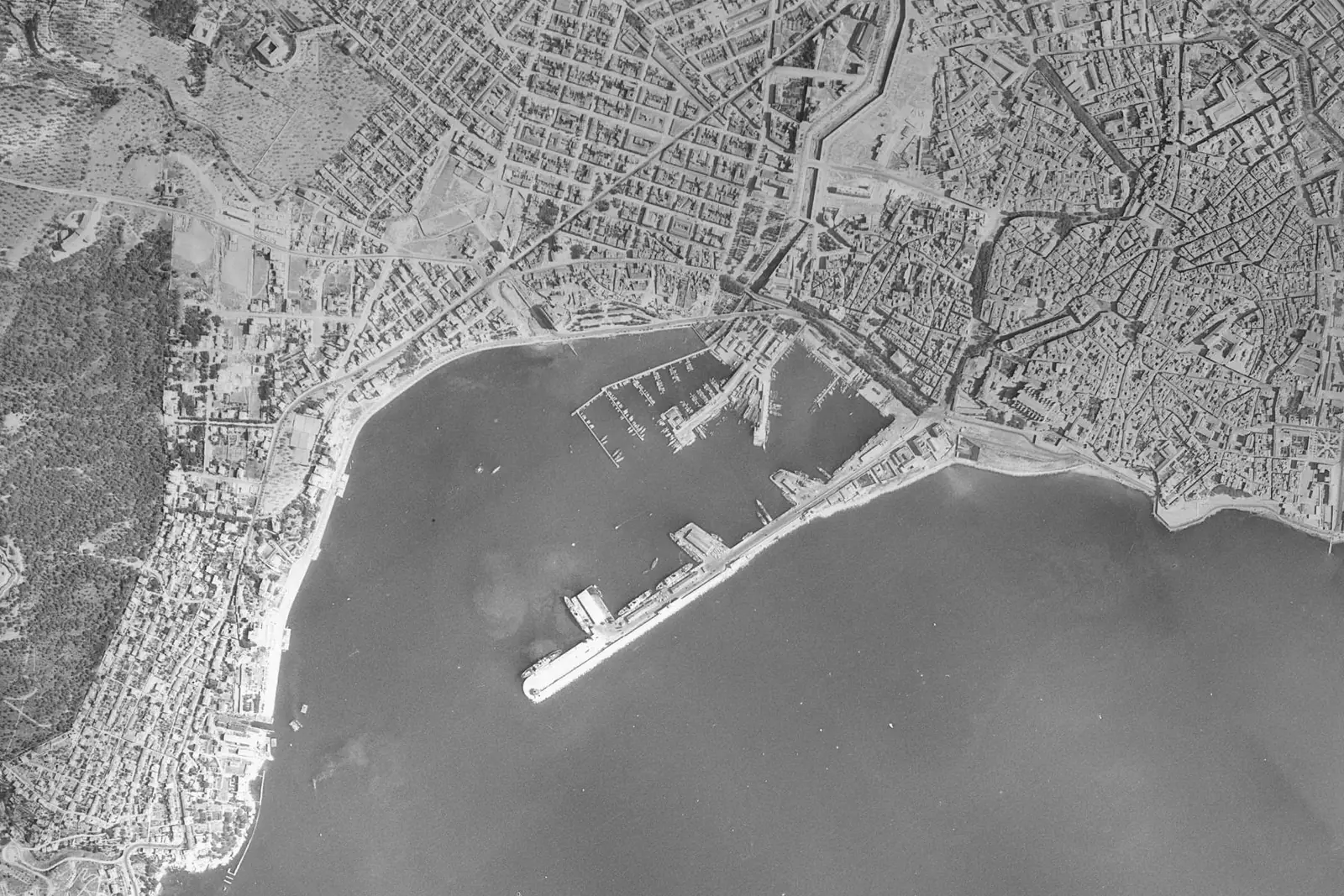 19562024
Aerial photos: Vuelo Americano Serie B 1956-1957 and PNOA 2024, CC-BY 4.0 ign.es (Instituto Geográfico Nacional).
The market right now
Live counts and prices across every way to live in Mallorca.
What is for sale
Homes for sale in Mallorca by bedrooms.
Featured homes for sale
Live from the PropertyList MLS.
Who Mallorca suits
Buyers
120 homes for sale, from €120k to €4.5M, median €550,000.
Long-term renters
18 long-term rentals available to browse right now in Mallorca.
Holiday-makers
No holiday lets listed here yet.
What Mallorca is really like
Mallorca is the largest island in the Balearic archipelago and is organised around a major city and bay on the south coast and a mountain range that runs along the north west. The central area is a mix of flatter agricultural land and low rolling hills used for crop growing and scattered rural properties. Coastal towns and the city provide the island's main apartment and townhouse housing, while inland and on the lower slopes of the Tramuntana there are rural fincas and detached villas built on plots of varied sizes.
The island supports a substantial year round resident population alongside a significant number of people who keep second homes from Germany, the United Kingdom and Scandinavian countries. The airport close to Palma handles flights throughout the year and is the largest transport hub serving the island. Local planning rules require a tourist licence for holiday letting, and the number of licences is capped by area which affects the supply of properties available for short term rental.
For buyers
Buyers encounter a market that reflects a mix of urban apartment stock in Palma and the coastal towns and a separate rural market for fincas and villas inland. Interest from foreign buyers, notably from Germany, the United Kingdom and Scandinavia, affects demand in particular neighbourhoods close to good transport links and coastal services. The live figures above give current price indicators for different property types across the island.
Local legal and planning constraints influence purchase decisions because tourist licences are controlled by municipal and regional authorities and are capped by area. Buyers should review community documents for apartments and townhouses, check orientation and winter sun for houses and fincas, and confirm whether a property has a valid tourist licence before assuming it can be used for holiday letting.
For long-term renters
Long-term rental stock is concentrated in Palma and the larger coastal towns where apartments and townhouses are more common. Rural lettings tend to be houses and fincas that are further from public transport and require private transport for daily needs. A stable year round resident population supports rental demand outside of the peak tourist months.
Prospective tenants should check what is included in a rental agreement and whether community rules affect use of communal facilities for apartment living. It is practical to visit a property both midweek and at a weekend to assess noise, traffic and local services, and to confirm parking arrangements where street parking is limited.
For holiday-makers
Holiday accommodation options reflect the island's mix of urban and rural stock, with apartments and townhouses close to Palma and coastal towns and fincas and villas available further inland and in the hills. The airport near Palma provides year round flight connections which supports off season travel for visitors seeking quieter months. Municipal limits on tourist licences mean that not all properties can be offered commercially as short term lets in every area.
Visitors should check licence status before booking a property that advertises itself as a holiday let and verify what is included in the booking price such as utilities and cleaning. It is useful to research transport options if a chosen property is in a hilly or rural area where car hire is likely to be needed for local exploration and shopping.
Getting around and practical
Palma acts as the island's transport hub and the main airport is located close to the city, providing the principal arrival point for residents and visitors. Road links connect Palma to coastal towns and inland areas and some journeys on major routes use the A-7 and AP-7. Public transport is more frequent between Palma and the larger coastal towns than in inland rural areas, where private transport is often necessary.
Practical matters that affect daily life include parking availability in built up areas, maintenance of communal facilities in apartment communities, and the specific provisions attached to rural properties such as access tracks and water supply. Prospective buyers and renters should check community fees and documents and confirm orientation for winter sun when assessing a property.
Frequently asked questions
What is the best time of year to visit Mallorca?
Peak season brings the busiest visitor numbers and warmest weather, while shoulder and off peak months can offer milder conditions and fewer crowds; flight availability from the main airport is year round which allows flexible timing for visits.
Is it easy to find English-speaking services in Mallorca?
English-speaking services are commonly available in Palma and in many coastal towns due to the international buyer and visitor presence, though availability can be more limited in remote inland villages.
Are there good schools for expatriate children in Mallorca?
The island has education options that serve an international community concentrated around Palma and the larger coastal towns; parents should check individual school offerings and language provision when assessing suitability for expatriate children.