How much can rent increase in Spain in 2026? The rules since 8 October
The 2% cap was repealed on 30 April 2026. Which index governs your rent update now, how to apply it correctly, and why Andalucia is not a stressed zone.

Published 20 March 2026 · Updated 8 October 2026
Updated 8 October 2026. Rewritten after Royal Decree-law 29/2026 came into force. The decree still has to be validated or repealed by the standing committee of Congress, and we will update this guide after the vote. The decree and the BOE texts behind each rule are linked below.
The short answer
The rent on a main-home lease can be updated only on the lease anniversary and only if the lease expressly provides for it. That was already the rule for leases signed since April 2015. What changed on 8 October 2026 is that an increase can never exceed the change in the IRAV, the reference index published monthly by the National Statistics Institute, and that this now reaches leases signed before 26 May 2023 as well.
For updates falling due between 8 October 2026 and 31 December 2027 there is a further rule: no increase if the rent is above the applicable maximum price limit, and otherwise the increase is what you and the tenant agree, or at most 2% if you agree nothing.
The general rule: article 18.1
Article 18.1 of the Urban Leasing Act, as reworded by the decree, says the rent can be updated only on each anniversary of the lease, in the terms the parties agreed. No clause, no update (this part dates from 2015). If the clause agrees an update but names no index, the IRAV applies. In every case the increase cannot exceed the change in the IRAV, using the latest figure published on the update date.
The date of 26 May 2023, when the 2023 housing law came into force, used to decide which index applied. For updates it no longer does. Under transitional provision 4 of that law, as rewritten by the decree, leases signed before 26 May 2023 keep the rules in force when they were signed, except for article 18.1 as now worded and the renewal rules in article 10. So an older lease that refers to the CPI is still capped at the change in the IRAV.
Updates falling due until 31 December 2027
Final provision six of Royal Decree-law 29/2026 covers any lease under the Urban Leasing Act whose yearly anniversary falls between 8 October 2026 and 31 December 2027. The tenant can negotiate the update. If the current rent is above the applicable maximum price limit, no increase applies. Otherwise the increase is whatever the parties agree, and without an agreement it cannot exceed 2%.
Two points are not settled by the text. The decree does not say how that price limit works for a home outside a declared stressed zone, and it does not say how this rule fits with article 18.1. Check the lease and take advice before applying any increase in this window.
How to apply an update
- It is never automatic. You notify the tenant in writing, stating the percentage applied, and the new rent is due from the month after the notice (article 18.2). A note on the previous month's receipt counts as notice. If the tenant asks, you attach the National Statistics Institute certificate.
- Use the right figure. The cap is the change in the latest IRAV published on the update date. You can look it up on the INE website.
- You can apply less. The change in the IRAV is the most you can apply.
The caps that came and went in 2026
Real Decreto-ley 8/2026 limited annual rent updates to 2% from 22 March 2026: a firm ceiling for large holders, and a default for other landlords where no new agreement was reached. Congress rejected it on 28 April 2026 and it was repealed with effect from 30 April (BOE-A-2026-6545). Whether updates applied inside that window survive the repeal is not settled: the Constitution does not say whether a repeal works from the start or only going forward, and we found no court ruling on it. Royal Decree-law 29/2026 does treat extension requests made under the March decree as validly made.
Royal Decree-laws 26/2026 and 27/2026 were published on 30 September and 1 October 2026, and Congress repealed both on 2 October (BOE-A-2026-20526 and BOE-A-2026-20527). Neither applies.
Andalucia and the Costa del Sol
Stressed market areas, where a region can cap the rent on new contracts, only exist where the regional government declares them. None of the quarterly lists the Ministry of Housing publishes in the BOE, the latest dated 24 July 2026, includes an Andalusian municipality. That keeps the stressed-zone caps on new rents out of Andalucia. The update rules above apply in Andalucia as everywhere else, and so do the IRAV cap on successive temporary lets (article 17.8) and the rule that room rents cannot add up to more than the rent for the whole home (article 17.9).
Letting a home on the Costa del Sol? Our guide for landlords sets out everything else that changed on 8 October, and our post on the October decrees covers what is still to be voted on.
What to do now
- Check each lease for an express update clause. Without one, there is no update.
- For any anniversary between 8 October 2026 and 31 December 2027, check the applicable price limit, and remember that without an agreement the increase cannot exceed 2%.
- Diarise each anniversary, so you notify in writing before it passes rather than after.
- Watch for the vote on the decree, and check this guide again after it.
Sources
- Royal Decree-law 29/2026 (BOE-A-2026-20823), final provision six and article 4.
- Urban Leasing Act (Ley 29/1994), article 18, consolidated text.
- Real Decreto-ley 8/2026 (BOE-A-2026-6545), showing its repeal.
- INE, for the monthly IRAV figure.
This is general information for landlords and agents, checked against the BOE on 8 October 2026. It is not legal advice, and rental rules change. Check your own contract and take professional advice before acting on anything here.
Read us often? Set info.propertylist.es as a preferred source on Google, and our updates surface first in your Top Stories. Set preferred source →
Properties in Marbella
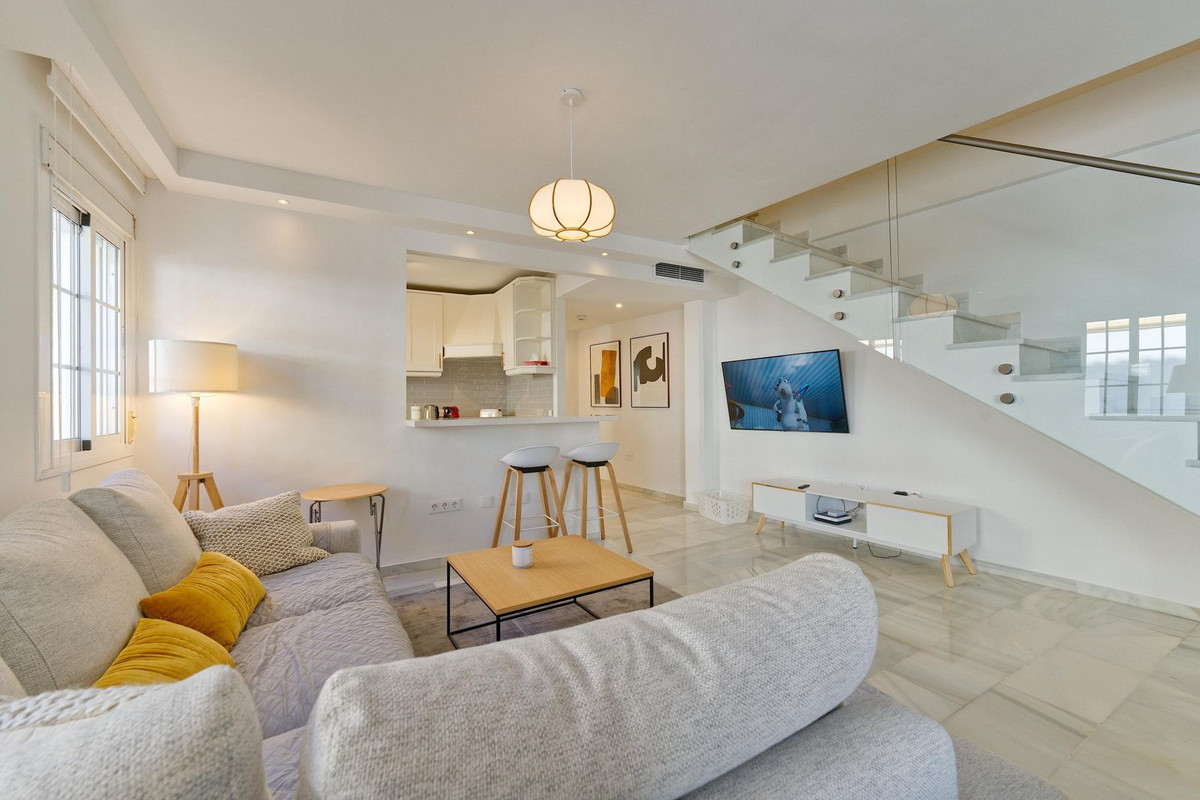
€2,400/month
3-bed property for rent
📍 Marbella
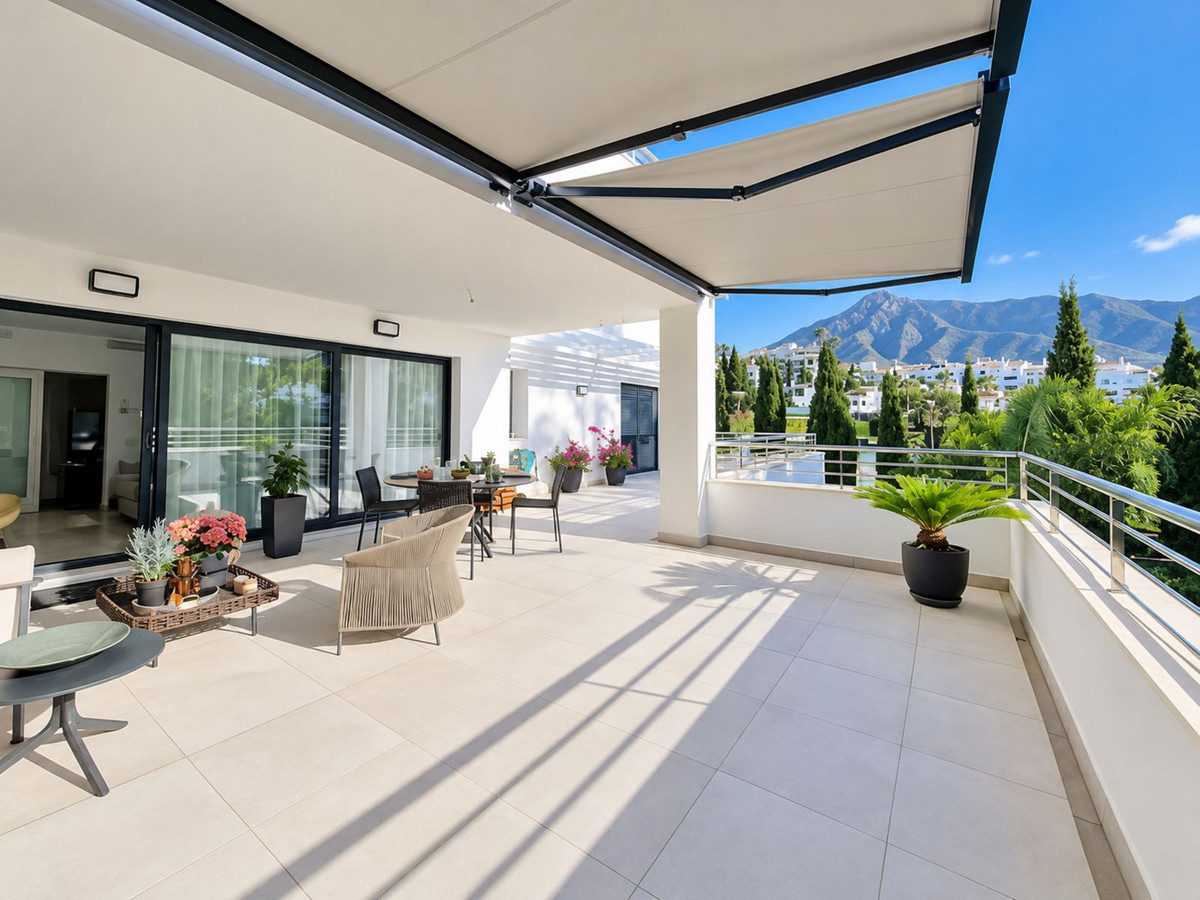
€6,500/month
3-bed property for rent in Marbella Golden Mile
📍 Marbella Golden Mile, Marbella
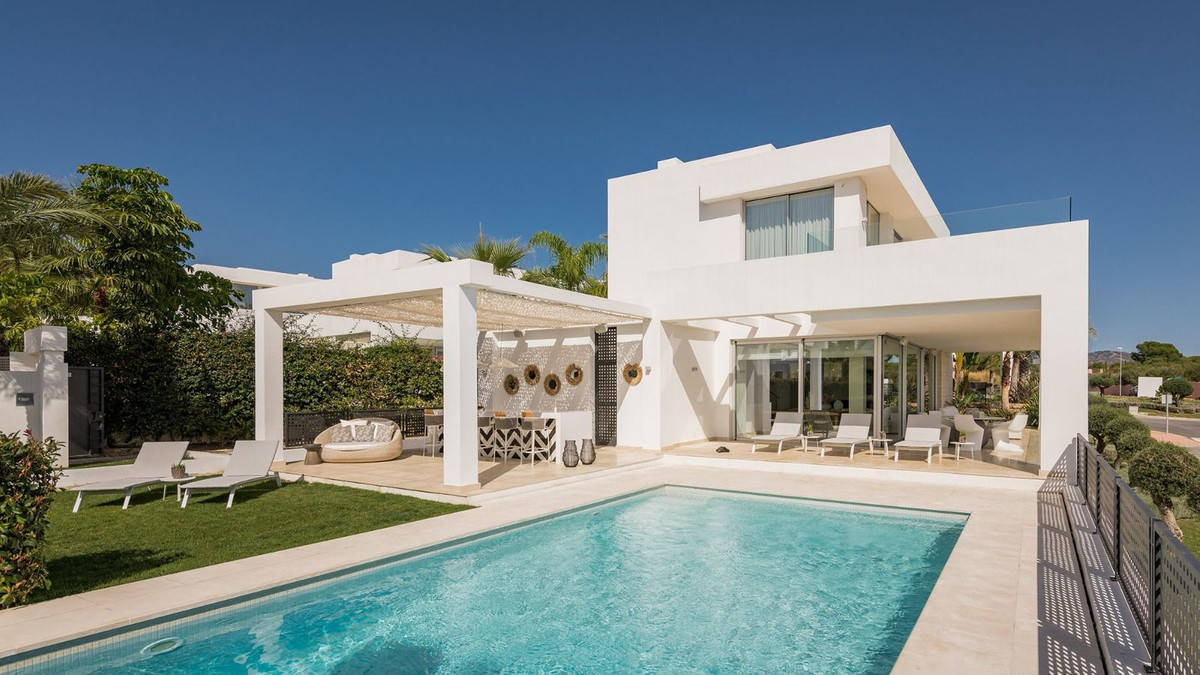
€14,000/month
4-bed property for rent in Rio Real
📍 Rio Real, Marbella
- Spain's rental decrees: what was rejected, what applies since 8 October 2026, and what is still to be voted on Spain's rental decrees RDL 26 to 29/2026 - Blog post.
- Which of Spain's 2026 housing rules apply in Andalucia? A guide for landlords and buyers Clear summary for Costa del Sol owners, buyers and agents of which national and regional housing rules apply in Andalucia in 2026 and what to do next.
- Costa del Sol property prices per m² by area: asking vs notary, October 2026 Asking prices from live PropertyList listings next to the notaries' average price per m², area by area on the Costa del Sol. First published July 2026, updated October 2026.